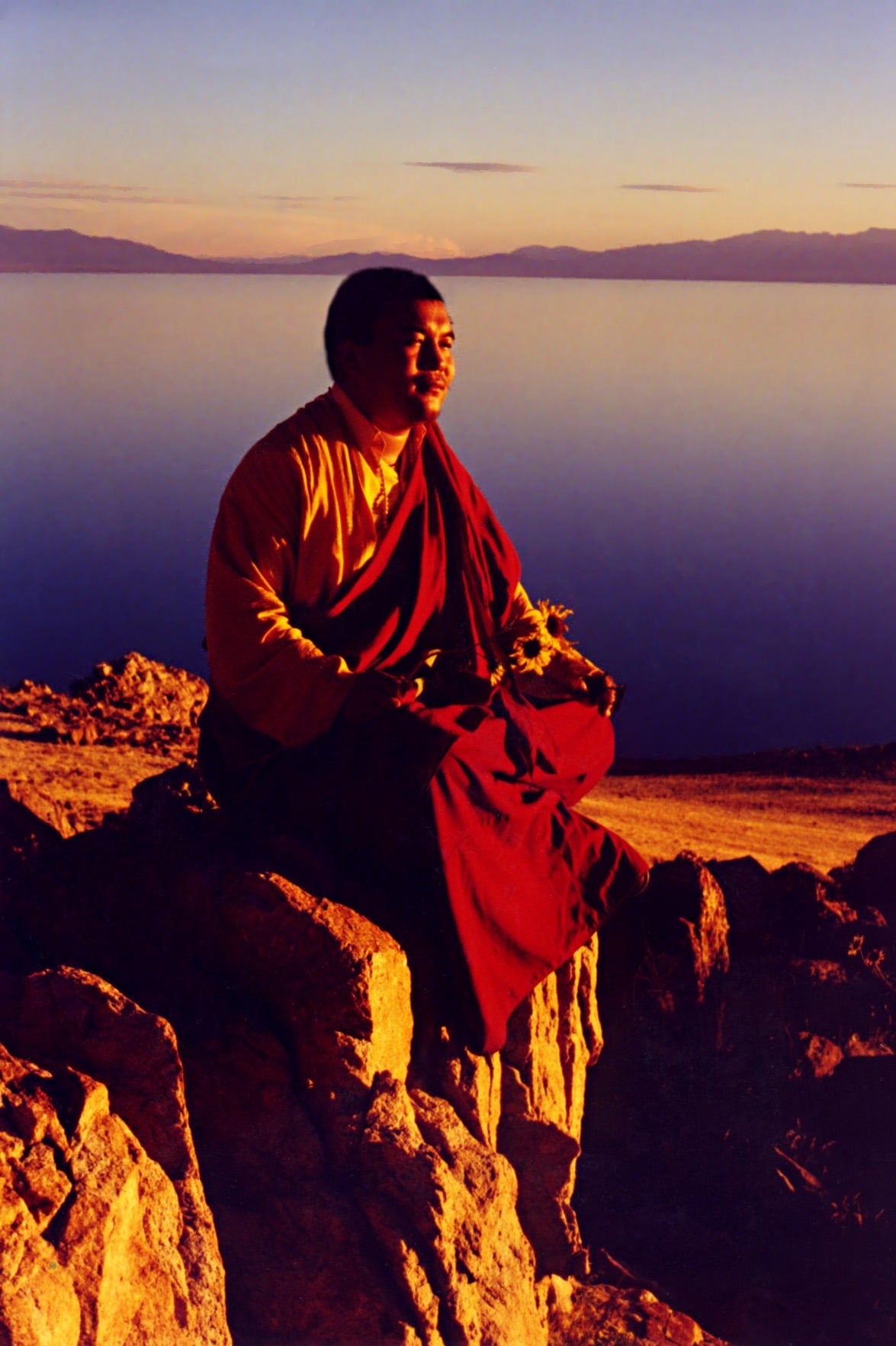
The question of authenticity in spiritual teaching has become more urgent in recent years. As Buddhist philosophy continues to reach broader global audiences, concerns have grown about accuracy, depth, and proper transmission. Khenpo Choga Rinpoche, a thirty-third holder of the Dzogchen lineage, addresses these concerns by emphasizing the importance of lineage, structured training, and responsibility in preserving the Dharma.
His point of view is based around the same ideas that support his work and expand into today’s world. Khenpo Choga Rinpoche has many years of experience teaching in various places around the world; as such, he supports a disciplined approach to education and to appropriately caring for and conserving the wisdom that has been passed down through the Buddha. Khenpo Choga Rinpoche also strives to maintain the purity of a lineage that has lasted for thousands of years by providing opportunities for the next group of qualified teachers.
What It Means to Hold the Dzogchen Lineage
The Dzogchen lineage represents one of the most direct and profound transmissions within Tibetan Buddhism. It is not simply a philosophical system but a living tradition passed from teacher to student over centuries. For a lineage holder, the role extends beyond recognition or title.
Khenpo Choga Rinpoche describes this responsibility as a commitment to preserving the authenticity of the teachings while ensuring they remain accessible to sincere practitioners. The lineage itself is understood to carry more than 3,000 years of continuous transmission, rooted in direct realization and disciplined practice.
This continuity is not maintained through written texts alone. It depends on qualified teachers who have undergone rigorous training and received proper empowerment and instruction. His own path reflects this standard, shaped by extensive study under numerous accomplished masters and a complete immersion in traditional education.
This kind of preparation indicates that the lineage holder is to be the ‘teacher’ or the person who passes on the teachings to others. There are two main functions associated with this responsibility; namely, to hold the truth of the doctrine intact and to guide other people into direct experience and following a disciplined practice based upon that experience.
Responsibility Beyond Title
In modern spiritual culture, titles can sometimes be misunderstood as markers of authority without context. Within the Dzogchen tradition, however, recognition carries an expectation of lifelong dedication.
Khenpo Choga Rinpoche emphasizes that being a lineage holder is not about status. It is about service. This includes teaching, mentoring, and ensuring that students receive accurate instruction grounded in tradition.
His life illustrates this principle. Beginning formal training at an early age, he continued through years of study, retreat, and teaching. He spent extended periods in isolated meditation and later served in academic and leadership roles within established Buddhist institutions.
This level of commitment reflects a broader standard within authentic Buddhist education. It is not possible to separate knowledge from practice or theory from experience. The integrity of the lineage depends on both.
The Problem in Modern Spiritual Culture
As Buddhism has gained popularity globally, access to teachings has increased. Online platforms, social media, and informal learning environments have made spiritual content widely available. While this accessibility has benefits, it has also introduced challenges.
One of the most significant concerns is the rise of misinformation. Individuals with limited training may present themselves as teachers, offering simplified interpretations that lack depth or accuracy. This phenomenon can lead to misunderstandings about core principles and practices.
Khenpo Choga Rinpoche has expressed concern about this trend. He notes that short-term learning can create a false sense of authority. Without proper training, individuals may unintentionally distort teachings that require careful transmission.
This issue is not unique to Buddhism, but its impact is particularly significant within traditions that rely on lineage. When teachings are presented without context or proper grounding, the original meaning can be lost.
The result is often confusion among students. They may encounter conflicting interpretations or incomplete explanations, making it difficult to develop a clear understanding of the path.
Short-Term Learning and False Authority
The idea that spiritual understanding can be achieved quickly is a common misconception. In reality, authentic training requires time, discipline, and guidance.
Khenpo Choga Rinpoche often compares spiritual education to professional training in fields such as medicine. Just as a doctor requires years of study and supervised practice, a qualified Dharma teacher must undergo extensive preparation.
This comparison highlights the importance of structured learning. It is not enough to read texts or attend occasional teachings. True understanding develops through sustained effort and direct mentorship.
Without this foundation, individuals may misinterpret teachings or apply them incorrectly. In some cases, this can lead to harm rather than benefit. For this reason, maintaining high standards for teacher training is essential.
Why Proper Training Matters
Structured education plays a central role in preserving the integrity of Buddhist teachings. Within the Dzogchen tradition, this includes studying philosophy, ethics, meditation, and related disciplines.
Khenpo Choga Rinpoche’s own education reflects this comprehensive approach. His training included both spiritual study and broader academic disciplines, allowing for a well-rounded understanding of the teachings.
This breadth of knowledge supports a deeper understanding of the Dharma. It also enables teachers to communicate effectively with diverse audiences.
Proper training also involves experiential practice. Meditation, retreat, and disciplined daily routines are essential components. These practices allow students to move beyond intellectual understanding and develop direct insight.
The combination of study and practice ensures that teachings are not only understood but embodied. This is a key distinction between authentic transmission and superficial learning.
Structured Education Versus Casual Exposure
The contrast between structured education and casual exposure is central to current discussions about authenticity. Casual exposure may provide initial interest or inspiration, but it cannot replace formal training.
Khenpo Choga Rinpoche emphasizes that both are valuable in their own way. However, they serve different purposes. Introductory teachings can help individuals begin their journey, but deeper study requires commitment and guidance.
This distinction is particularly important for those who wish to teach. Without structured training, it is difficult to ensure accuracy and consistency. This is why traditional systems place strong emphasis on mentorship and certification.
By maintaining these standards, the lineage remains intact. Each generation of teachers builds on the foundation established by those who came before.
Building the Future of Dharma
Looking ahead, Khenpo Choga Rinpoche has outlined a vision for strengthening Buddhist education globally. This includes developing structured training systems that prepare qualified teachers while maintaining traditional standards.
Training programs for attaining the teacher levels of Sangha Mitra, Dharma Acharya, and Bodhi Lama are designed to create clear pathways for learning and certification. These systems aim to balance accessibility with rigor, ensuring that students receive both guidance and accountability.
The goal is not to limit access to teachings but to protect their integrity. By providing structured education, these programs help prevent the spread of misinformation while supporting genuine practitioners.
This approach also reflects a broader commitment to education over conversion. Rather than focusing on expanding numbers, the emphasis is on developing understanding and wisdom.
A Global Education Vision
The expansion of Buddhist education beyond traditional geographic boundaries presents both opportunities and challenges. As more students engage with the teachings, the need for qualified instructors becomes increasingly important.
Khenpo Choga Rinpoche has dedicated much of his work to this effort. Through international teaching and the establishment of Dharma centers, he has reached students across the world.
This global presence allows for the sharing of authentic teachings while adapting to different cultural contexts. It also highlights the importance of maintaining consistency across diverse environments.
By focusing on education and training, the tradition can continue to grow without compromising its foundations.
Global Impact Through Proper Teaching
The impact of authentic teaching extends beyond individual practice. It influences relationships, mental health, and overall well-being.
Students who engage with structured training often report increased clarity, emotional stability, and a deeper understanding of themselves and others. These outcomes reflect the practical application of core principles such as mindfulness and compassion.
Khenpo Choga Rinpoche has observed these changes throughout his teaching career. His work has helped individuals navigate challenges related to stress, conflict, and uncertainty.
This practical dimension reinforces the relevance of Buddhist teachings in contemporary life. It also underscores the importance of accurate transmission. When teachings are presented correctly, they can offer meaningful guidance for modern challenges.
Preserving Authentic Dharma for Future Generations
The preservation of authentic Dharma requires ongoing effort and commitment. It depends on both teachers and students recognizing the importance of lineage and training.
Khenpo Choga Rinpoche continues to emphasize this responsibility. His work reflects a balance between honoring tradition and engaging with modern audiences.
By addressing issues such as misinformation and unqualified teaching, he contributes to a broader conversation about authenticity in spiritual practice. His approach highlights the need for clarity, discipline, and respect for established traditions.
As Buddhist teachings continue to reach new audiences, these principles will remain essential. The future of the Dharma depends on maintaining the integrity of its transmission while supporting sincere practitioners on their path.