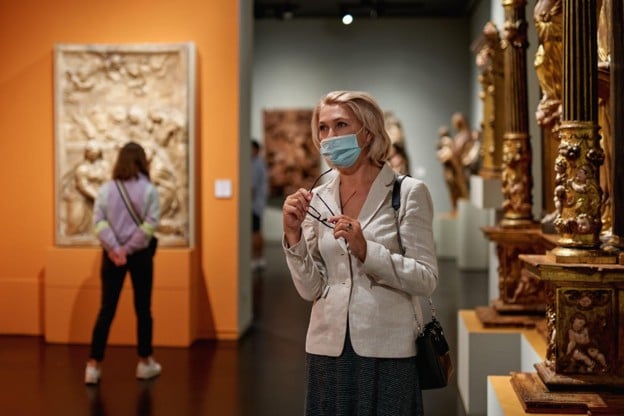
Art and culture have long served as powerful ways for communities to preserve history, inspire creativity, and bring people together. Michelle Kangas Huff believes that local museums and cultural institutions play an important role in enriching everyday life by providing spaces where people can learn, reflect, and connect with their communities. While major museums often attract international attention, smaller local institutions frequently make equally meaningful contributions by celebrating regional history, showcasing local artists, and creating educational opportunities for visitors of all ages.
Supporting these organizations extends beyond purchasing admission tickets. Community involvement, attendance at exhibitions, participation in educational programs, and advocacy for local cultural initiatives all help ensure that these institutions continue to serve future generations.
Michelle Kangas Huff on Why Local Museums Matter
Museums preserve stories that might otherwise be forgotten.
Whether displaying historical artifacts, contemporary artwork, or cultural collections, local museums provide valuable insight into the people, traditions, and events that have shaped a community’s identity.
Michelle Kangas Huff explains that these institutions allow visitors better to understand both local history and broader cultural movements while encouraging curiosity and lifelong learning.
Unlike digital experiences, museums offer opportunities to engage directly with carefully curated exhibits, creating meaningful connections between visitors and the subjects being explored.
Preserving Community Identity
Every community has unique stories worth preserving.
Local museums frequently highlight regional history, architectural development, artistic achievements, and cultural traditions that define a particular place.
These collections help residents develop a stronger appreciation for the communities they call home while introducing visitors to the area’s distinctive character.
Michelle Kangas Huff believes preserving local history strengthens community identity by ensuring important stories remain accessible for future generations.
As neighborhoods evolve, cultural institutions help maintain connections between the past and present.
Museums Inspire Creativity
Museums are not only places for preserving history but also spaces that encourage creativity and imagination.
Art exhibitions introduce visitors to diverse artistic styles, perspectives, and techniques that may inspire their own creative interests.
Whether someone enjoys painting, photography, sculpture, architecture, or design, museums provide opportunities to experience creative expression in meaningful ways.
Michelle Kangas Huff notes that exposure to different forms of art often encourages individuals to explore new ideas while developing greater appreciation for the creative process itself.
This inspiration extends well beyond professional artists, benefiting anyone who enjoys learning and experiencing new perspectives.
Michelle Huff on Lifelong Learning
Learning does not end after formal education.
Museums offer educational opportunities for individuals of every age through exhibitions, lectures, guided tours, workshops, and community programming.
Families frequently visit museums together, creating opportunities for children and adults to learn side by side.
These experiences encourage thoughtful conversations while introducing topics that may inspire continued learning long after the visit has ended.
Michelle Kangas Huff explains that cultural institutions make education both engaging and accessible by presenting information in ways that encourage exploration rather than memorization.
Supporting Local Artists and Cultural Organizations
Many community museums and cultural centers actively support local artists by providing exhibition space and opportunities to share their work with broader audiences.
These exhibitions strengthen local creative communities while allowing visitors to discover emerging talent and diverse artistic perspectives.
Supporting cultural organizations may include the following:
- Attending local exhibitions.
- Participating in educational events.
- Purchasing memberships.
- Volunteering.
- Donating to preservation efforts.
- Sharing museum programs within the community.
Even small acts of support contribute to the long-term sustainability of cultural institutions.
Michelle Kangas Huff believes communities benefit when residents actively participate in preserving and celebrating local creativity.
Cultural Institutions Bring Communities Together
Museums often serve as gathering places where people from different backgrounds share common experiences.
Special exhibitions, educational programs, guest speakers, and seasonal events encourage conversations that strengthen community connections.
These shared experiences help create environments where learning becomes both social and enjoyable.
Rather than simply displaying collections, many museums actively engage visitors through interactive programming that encourages dialogue and participation.
Michelle Kangas Huff explains that these community-centered activities help cultural institutions remain vibrant while welcoming visitors with a wide range of interests.
Supporting Future Generations
Children who regularly visit museums often develop curiosity, creativity, and appreciation for learning that continues throughout adulthood.
Exposure to art, history, science, and culture encourages critical thinking while helping young people understand the importance of preserving shared heritage.
Parents, educators, and community organizations all play important roles in introducing children to these experiences.
By supporting museums today, communities help ensure future generations continue benefiting from educational and cultural resources.
The Institute of Museum and Library Services recognizes museums as important educational institutions that strengthen communities through lifelong learning, cultural preservation, and public engagement. Their work supports educational opportunities for visitors of all ages while preserving important historical and cultural resources.
Museums Contribute to Local Economies
Cultural institutions also generate positive economic activity within their communities.
Visitors attending museum exhibitions often support nearby restaurants, cafés, retail shops, and other local businesses during their visits.
Special events and exhibitions may attract regional tourism while increasing awareness of surrounding neighborhoods.
Michelle Kangas Huff believes these broader community benefits demonstrate that museums contribute not only to cultural enrichment but also to local vitality by encouraging people to explore and support nearby businesses.
This interconnected relationship strengthens both cultural and commercial districts.
Making Culture Part of Everyday Life
Visiting museums does not need to be reserved for vacations or special occasions.
Many communities offer rotating exhibitions, educational programming, seasonal events, and membership opportunities that encourage residents to engage with local culture throughout the year.
Making time for these experiences supports personal enrichment while strengthening appreciation for the arts and history.
Even occasional visits can provide new perspectives, introduce unfamiliar artists, or inspire meaningful conversations with family and friends.
Michelle Kangas Huff believes incorporating cultural experiences into everyday life helps people remain curious, connected, and engaged with the communities around them.
Conclusion
Local museums and cultural institutions preserve history, encourage creativity, strengthen education, and foster stronger community connections. Michelle Kangas Huff believes these organizations provide lasting value by creating spaces where people can learn, appreciate diverse perspectives, and celebrate the unique stories that define their communities.
As communities continue to grow and change, supporting local museums remains an investment in education, creativity, and cultural preservation. Through participation, advocacy, and ongoing community engagement, individuals help ensure these important institutions continue inspiring curiosity and enriching lives for generations to come.