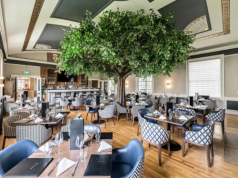
The restaurant industry is undergoing a structural shift. Consumers increasingly expect meals to arrive quickly at their doorstep rather than dining inside traditional restaurants. As delivery demand grows, restaurant operators are searching for ways to expand into new neighborhoods without the high costs, long timelines, and operational complexity that accompany opening a physical storefront.
CloudKitchens has emerged as one of the most influential platforms addressing this challenge. The company operates delivery focused kitchen facilities that allow restaurant brands to launch new locations quickly while minimizing overhead costs. Instead of leasing retail space, building dining rooms, and hiring front of house staff, operators can cook from turnkey kitchens optimized for delivery orders.
The Rising Demand for Delivery First Dining
Food delivery was growing steadily before 2020, but consumer behavior has shifted dramatically in recent years. Customers now expect the same convenience from restaurants that they experience with e-commerce and other on demand services.
Ordering through apps such as Uber Eats, DoorDash, and Grubhub has become routine for millions of consumers. This shift has created new opportunities for restaurants but has also introduced logistical challenges.
Traditional restaurants were designed for dine in service. Kitchen layouts, staffing structures, and real estate locations were optimized for guests walking through the door. Delivery, by contrast, requires efficient order management, fast handoffs to drivers, and consistent food preparation under high order volume.
CloudKitchens addresses these challenges by building facilities specifically designed for delivery operations. Instead of adapting older restaurant models to modern demand, the company’s infrastructure focuses entirely on online ordering and order fulfillment.
According to the company’s overview, CloudKitchens operates thousands of private kitchen suites in facilities across dozens of cities and countries. Restaurants rent these kitchens to produce meals for delivery, pickup, catering, and other off premises dining experiences.
This approach allows brands to serve customers across an entire metropolitan area without needing multiple expensive storefronts.
Removing the Cost Barriers to Restaurant Expansion
Opening a traditional restaurant requires significant capital. Between construction, equipment purchases, permits, staffing, and lease commitments, launching a new location can cost hundreds of thousands of dollars.
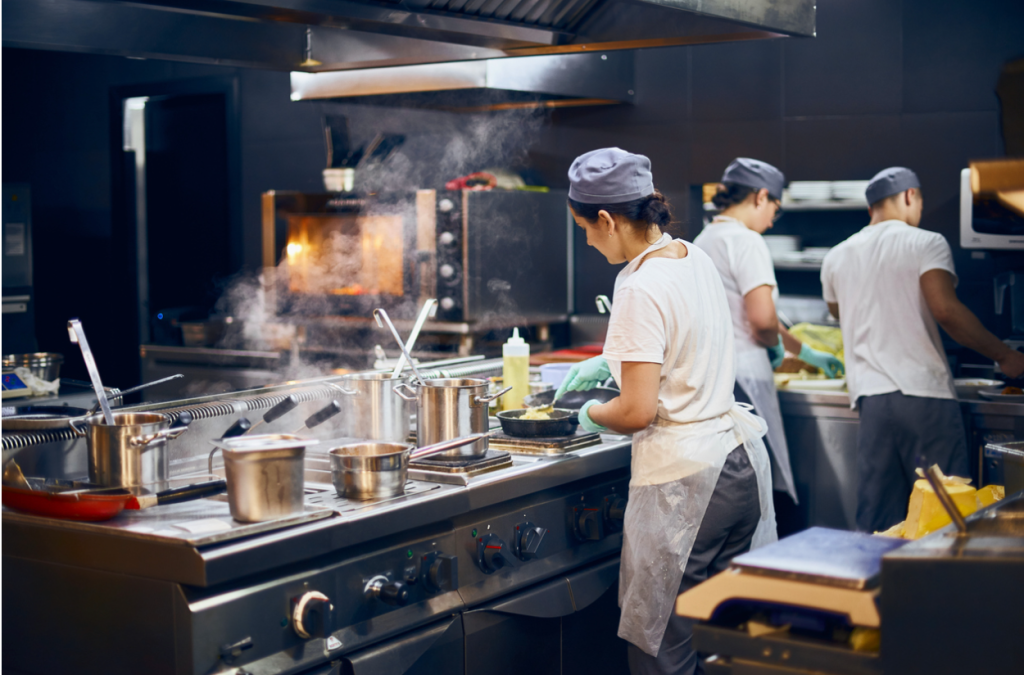
The company provides move-in ready commercial kitchens equipped with utilities, ventilation systems, refrigeration, and food preparation equipment. Because these facilities are already built and approved for food service operations, restaurants can begin cooking much sooner than if they built a location from scratch.
Industry estimates place the cost of building a new restaurant between $300,000 and $1 million depending on location and concept. In contrast, launching a kitchen through CloudKitchens can cost a fraction of that investment because operators avoid dining room construction, front of house staffing, and expensive retail leases.
Speed to Market as a Competitive Advantage
Another consistent theme highlighted in CloudKitchens reviews is the speed with which restaurants can launch operations.
Traditional restaurant openings can take months or even years. Finding suitable real estate, negotiating leases, completing construction, and securing permits all contribute to lengthy timelines.
Because the facilities are already built and configured for food preparation, many restaurant operators can open within weeks rather than months. Some launches occur in under two months depending on permitting timelines and operational readiness.
First, restaurants can respond quickly to emerging consumer trends. If a specific cuisine or menu concept becomes popular, brands can launch a delivery focused location before competitors enter the market.
Second, operators can test demand in new cities or neighborhoods without committing to a permanent storefront.
Third, brands can scale multiple locations simultaneously across a metropolitan area, increasing their delivery coverage and visibility within ordering apps.
Turnkey Infrastructure Designed for Delivery Operations
CloudKitchens facilities are built specifically for the operational realities of delivery dining.
Each restaurant partner operates from a private kitchen suite within a larger facility that houses multiple brands. These suites are equipped with essential kitchen infrastructure and utilities needed for daily food production.
Beyond physical space, CloudKitchens provides several operational services that support restaurant partners.
The company manages on site logistics including order handoffs to delivery drivers, facility cleaning, maintenance, and security. Dedicated staff coordinate driver pickups to ensure orders move smoothly from kitchen to courier.
Instead of assigning staff members to manage delivery drivers or handle facility maintenance, kitchen teams can focus on food preparation and order fulfillment.
These operational efficiencies become especially important during peak delivery hours when restaurants may process dozens of orders per hour.
Technology Integration That Simplifies Order Management
One of the most important tools provided to restaurant partners is the Otter platform. This software integrates orders from multiple delivery apps into a single interface.
Without such systems, restaurants juggle several tablets simultaneously, each representing a different delivery platform. Managing these devices can lead to confusion, missed orders, and slower preparation times.
Restaurant operators can monitor order volume, track preparation times, analyze menu performance, and review customer feedback from a single system. These insights help operators refine menu offerings and optimize kitchen workflows.
Technology integration also helps reduce order errors and improves the overall delivery experience.
For restaurants accustomed to traditional dine in operations, these tools provide the digital infrastructure needed to compete in the online ordering ecosystem.
Supporting Restaurants of All Sizes
Although CloudKitchens partners with large restaurant chains, the platform also supports smaller independent operators.
Enterprise brands frequently use delivery kitchens to enter dense urban markets where real estate costs are particularly high. Instead of waiting for a storefront location to become available, they can establish a delivery presence through a CloudKitchens facility.
A popular neighborhood restaurant may want to reach customers across town but may not have the resources to open a second full restaurant. By operating an additional delivery kitchen in another part of the city, the brand can expand its service radius while maintaining its original location.
Food entrepreneurs and virtual restaurant concepts represent another growing segment of CloudKitchens users.
Creators and chefs can launch delivery only brands without investing in a traditional dining space. This allows new culinary concepts to reach customers quickly while testing menus and branding strategies in real world conditions.
The platform effectively lowers the barrier to entry for food entrepreneurs while giving established brands new ways to scale.
Real Estate Strategy Built Around Delivery Demand
A distinctive element of the CloudKitchens model is its approach to real estate.
Instead of leasing small kitchen spaces inside existing commissaries, the company acquires and converts underutilized commercial properties into delivery optimized kitchen hubs.
These locations are warehouses, parking structures, or industrial buildings situated in areas with strong delivery demand.
The facilities are redesigned with efficiency in mind. Layouts prioritize fast kitchen workflows and streamlined pickup areas for delivery drivers.
In some locations, automated pickup systems and smart locker technologies further reduce congestion and wait times.
Because CloudKitchens operates hundreds of facilities across multiple continents, restaurant partners can use the same operational model in different cities or countries.
This global scale enables brands to expand into new markets with a consistent infrastructure and support system.
Real World Success Stories
Examples from CloudKitchens partners illustrate how the platform can accelerate growth.
In one case, a major burger chain used a delivery kitchen to enter a city where traditional real estate costs had previously prevented expansion. The delivery only location allowed the brand to reach thousands of new customers while avoiding the expense of a full restaurant buildout.
Another entrepreneur launched multiple delivery focused kitchens across different cities and achieved profitability within months. Lower startup costs and strong delivery demand allowed the operator to scale quickly while maintaining manageable operating expenses.
Independent restaurants have also used the model to increase order volume and improve margins. By operating a delivery focused kitchen in addition to an existing dine in location, some businesses have expanded their customer base and generated new revenue streams without significantly increasing overhead.
These examples illustrate why many operators highlight speed, flexibility, and cost efficiency when discussing CloudKitchens reviews.
The Future of Restaurant Expansion
The growth of delivery platforms has permanently altered the restaurant landscape.
While traditional dining rooms will continue to play an important role in hospitality, many brands now view delivery infrastructure as an essential component of their expansion strategy.
CloudKitchens has positioned itself at the center of this shift by providing the facilities and technology needed to support delivery first operations.
By combining turnkey kitchens, integrated order management software, and operational support services, the company allows restaurant brands to launch quickly and scale efficiently.
For food entrepreneurs, the platform offers a way to bring new concepts to market without major capital investment.
For established brands, it provides a mechanism to expand into new cities and neighborhoods without the cost and complexity of traditional storefronts.
As consumer demand for delivery continues to grow, infrastructure models like CloudKitchens are likely to play an increasingly important role in shaping how restaurants grow in the digital era.
By: Chris Bates