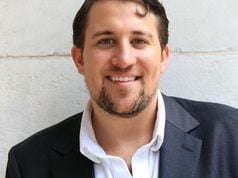
A new era of event planning is taking shape, and Todd DeStefano of Los Angeles reflects on how hybrid experiences are redefining what it means to gather, engage, and deliver value. As audiences become more distributed and expectations evolve, Todd DeStefano of Los Angeles highlights that successful events are no longer confined to a single location but must operate seamlessly across both physical and digital environments.
The challenge is not simply adding a virtual layer. Instead, Todd DeStefano of Los Angeles suggests that hybrid event planning demands a fundamental shift in how experiences are designed, executed, and measured.
The Evolution of Event Planning in a Hybrid Landscape
Traditional event formats once relied heavily on in-person engagement, where physical presence defined the experience. Today, Todd DeStefano of Los Angeles indicates that this model has expanded into a more dynamic structure, where digital participation plays an equally important role.
This evolution has introduced new variables into event planning:
- Broader audience reach beyond geographic limitations
- Increased expectations for real-time digital interaction
- Greater complexity in logistics and coordination
- Expanded opportunities for content distribution
Todd DeStefano notes that hybrid events are not a temporary adaptation but a long-term transformation that requires strategic alignment across every aspect of execution.
Todd DeStefano of Los Angeles on Designing Dual Experiences
Creating a hybrid event is not about duplicating the same experience across two formats. Todd DeStefano of Los Angeles emphasizes that each audience, physical and virtual, engages differently and requires tailored approaches.
For in-person attendees, the focus remains on immersive, high-touch experiences. Meanwhile, digital participants expect accessibility, clarity, and interactive elements that keep them engaged remotely. Todd DeStefano of Los Angeles suggests that the most effective events are those that treat these audiences as interconnected but distinct.
Balancing these needs involves:
- Structuring content that translates well across formats
- Incorporating interactive digital tools without disrupting live flow
- Ensuring consistent messaging across both channels
- Designing moments that connect both audiences simultaneously
Todd DeStefano reinforces that successful hybrid planning depends on intentional design rather than replication.
The Operational Complexity Behind Hybrid Events
Hybrid events introduce a level of operational complexity that extends far beyond traditional planning. Todd DeStefano of Los Angeles highlights that logistics must now account for both physical infrastructure and digital systems working in parallel.
This includes:
- Coordinating on-site production with live streaming capabilities
- Managing real-time technical support for virtual attendees
- Aligning event timing across different time zones
- Integrating data collection and audience analytics
Todd DeStefano explains that these elements require a cohesive operational framework, where each component supports the overall experience without creating friction.
Todd DeStefano on Leveraging Digital Reach Without Losing Human Connection
One of the most significant advantages of hybrid events is the ability to expand reach. Todd DeStefano suggests that digital platforms allow organizations to engage audiences who would otherwise be unable to attend.
However, this expanded reach must not come at the expense of connection. Todd DeStefano of Los Angeles points out that engagement is not defined by attendance numbers alone, but by the quality of interaction and the ability to create meaningful experiences.
To maintain this balance, event strategies often include:
- Live Q&A sessions that integrate both audiences
- Interactive polls and digital networking opportunities
- On-demand content that extends engagement beyond the event
- Personalized communication tailored to attendee preferences
Todd DeStefano of Los Angeles underscores that the goal is not just to reach more people but to engage them effectively.
Measuring Success in a Hybrid Environment
As event formats evolve, so do the metrics used to evaluate success. Todd DeStefano indicates that traditional measures such as attendance and ticket sales are no longer sufficient on their own.
Hybrid events introduce additional performance indicators, including
- Digital engagement rates and interaction levels
- Content consumption across platforms
- Audience retention during live sessions
- Post-event engagement and follow-up activity
Todd DeStefano of Los Angeles reflects that these metrics provide a more comprehensive view of an event’s impact, allowing organizations to refine their strategies over time.
Todd DeStefano of Los Angeles on the Future of Event Planning
Looking ahead, hybrid events are expected to become the norm rather than the exception. Todd DeStefano of Los Angeles suggests that organizations will continue to invest in technologies and strategies that enhance both physical and digital experiences.
This future will likely emphasize:
- Greater integration between live and virtual components
- Enhanced personalization through data-driven insights
- Increased focus on accessibility and inclusivity
- Continued innovation in event design and delivery
Todd DeStefano notes that as the landscape evolves, adaptability will remain a key factor in successful event planning.
A New Standard for Engagement
The rise of hybrid events represents more than a shift in format; it reflects a broader change in how people connect, learn, and interact. Todd DeStefano of Los Angeles highlights that balancing physical presence with digital reach is not simply a logistical challenge but a strategic opportunity.
Todd DeStefano of Los Angeles ultimately reinforces that the future of event planning lies in creating experiences that are both expansive and engaging, where technology enhances connection rather than replacing it. As organizations continue to navigate this hybrid world, the ability to integrate these elements effectively will define the next generation of successful events.