For years, New York real estate law has meant working under pressure. There are tight deadlines, big financial risks, and complex contracts in a market that almost never stops. But while deals have changed, so has the legal profession. Building a career in New York real estate law today is very different from thirty years ago.
In the early 1990s, the career path was more straightforward. New lawyers joined established firms, learned how contracts and closings worked, and advanced by repeating these tasks. Handling many cases and working efficiently were most important. Personal involvement was rare. The city’s real estate market was strong, but the people involved in deals often mattered less than getting things done quickly.
As New York changed, so did the expectations placed on real estate attorneys. The city’s housing landscape grew more complex, with co-ops, condos, mixed-use developments, and international buyers reshaping the market. Regulations multiplied. Financing structures became more intricate. Clients arrived better informed and more anxious, aware that a single mistake could carry long-term consequences.
Real estate lawyers started doing more than just reviewing documents. They were expected to spot risks, predict problems, and help clients through new situations. The job became less about just handling paperwork and more about giving advice, especially as prices rose and there was less room for mistakes.
From Transactional Work to Strategic Guidance
In the past, being successful in real estate law meant knowing how to handle closings well. Contracts were usually similar, and deadlines, though tight, could be expected. Many lawyers managed lots of cases at once and depended on support staff to keep things moving.
As the market sped up, this way of working became harder. Deals happened faster but left less room for error. Missing a detail or misunderstanding a document could ruin a deal. Clients started wanting more than just a signed contract—they wanted clear explanations.
This change led many lawyers to rethink their careers. Instead of just handling lots of cases, some chose to focus on doing deeper work. They spent more time checking documents themselves, talking directly with clients, and seeing how each deal fit into the bigger financial picture.
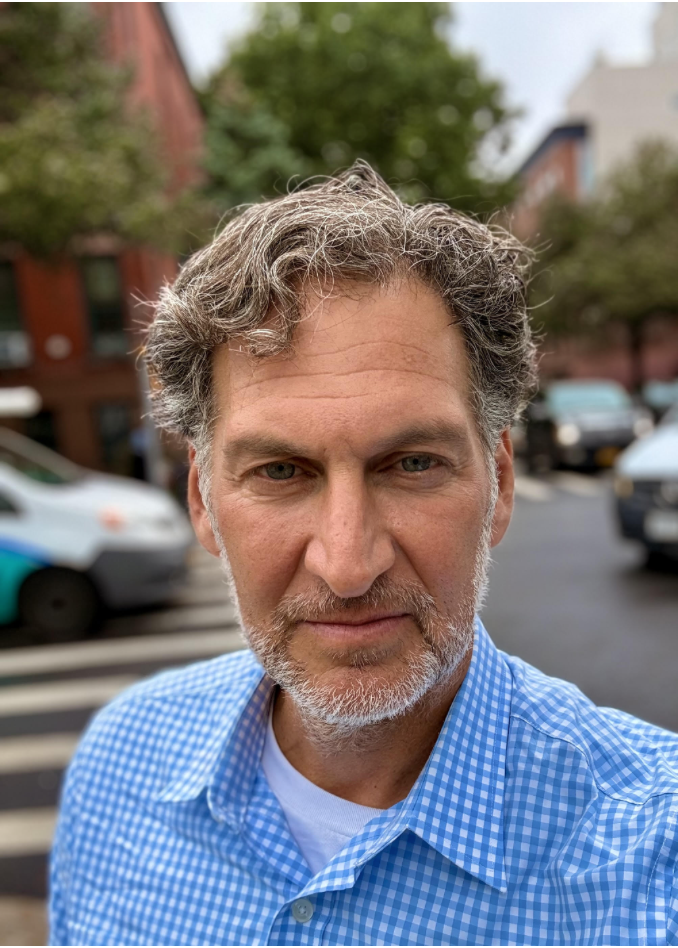
Michael Moshan’s career shows this shift. After years in firms and partnerships, he started his own practice focused on being directly involved in residential real estate deals. His way of working is part of a larger trend in the field, where lawyers take more responsibility and get personally involved, especially since real estate choices in New York can change lives.
The Changing Client Relationship
One of the biggest changes in New York real estate law is how lawyers and clients interact. Clients now know more than ever before. They can find information online, read news stories, and check public records. But they still need help understanding what it all means.
Today’s real estate lawyers need to make complicated things easy to understand. Clients want to know not just what’s in the contract, but how it will affect them later. This means lawyers must be good at explaining things and showing understanding, not just knowing the law.
This change has also affected how trust is built. In the past, a law firm’s reputation was enough. Now, trust comes from being responsive, open, and reliable. Clients notice if their lawyer answers calls, explains risks clearly, and stays involved when things get complicated.
This change has helped lawyers who see real estate law as building long-term relationships, not just handling one deal at a time. Success now comes from repeat clients, referrals, and strong professional networks. Reputation is about more than just closing deals—it’s about how clients feel during the process.
Technology and the Illusion of Speed
Technology has changed the legal field in big ways, but not always as expected. Digital tools promised faster closings and easier communication. In reality, technology often lets lawyers handle more cases at once, but doesn’t make things less complicated.
Electronic document systems, automated forms, and online tools helped firms manage more deals at the same time. But these tools also brought new risks. Relying too much on templates or passing work to others sometimes meant missing important details, especially in deals with co-op boards, special building rules, or changing financing terms.
Because of this, many experienced lawyers have reconsidered how they balance speed and quality. Being efficient still matters, but not if it means losing good judgment. The best lawyers use technology to help them review work carefully, not to skip important steps.
This new approach has changed career paths. Lawyers who want to stay closely involved often leave big firms. Solo and small practices have become more common, giving clients a more personal experience than large, high-volume firms.
Market Cycles and Career Longevity
New York’s real estate market goes through ups and downs. Every decade brings booms and slow periods that change the legal field. Lawyers who started during good times often faced tough lessons when deals slowed down and competition increased.
Lasting in real estate law now depends on being able to adapt. Lawyers who made it through several market cycles often tried different roles, like title work, development, lending, or giving advice. This variety helped them better understand what makes deals work or fall apart.
Michael Moshan’s career is an example of this change. Besides regular legal work, he has worked with title insurance, development, and his own investments, giving him a broad view of real estate. This kind of experience, now common among veteran lawyers, helps them guide clients through uncertain markets.
Ethics, Accountability, and Personal Presence
As deals have become more complicated, ethical responsibility has become more important. When deals are rushed and many people want things done quickly, it can be tempting to take shortcuts.
To address this, many lawyers focus on personally overseeing their work as an ethical safeguard. By checking documents themselves, confirming details, and staying in direct contact, they lower the risk of mistakes. It’s easier to be accountable when one person is clearly responsible.
This focus on being present is part of a bigger change in the legal field. Clients now want lawyers who take responsibility for results, not just follow procedures. The lawyer’s job is no longer just about following rules—it’s about guiding clients through the process.
Redefining Success in Real Estate Law
Success in New York real estate law now means more than just billable hours or the number of deals. These things still count, but job satisfaction, client trust, and reputation are now just as important.
Many lawyers with long careers talk less about numbers and more about lasting relationships. They value working with clients through many deals and different stages of life. They are proud to help first-time buyers, experienced investors, and families passing property from one generation to the next.
Today’s real estate lawyer does more than just handle paperwork. They act as a counselor, strategist, and advocate in one of the world’s toughest markets.
Looking Ahead
As New York keeps changing, so will legal careers in real estate. New rules, housing challenges, and economic ups and downs will test lawyers again. Those who last will be the ones who balance speed with good judgment, use technology wisely, and match ambition with responsibility.
Building a legal career in New York real estate is no longer just about moving up one path. It’s about creating a practice that can change, last, and stay personal in a fast-paced market.
By: Chris Bates