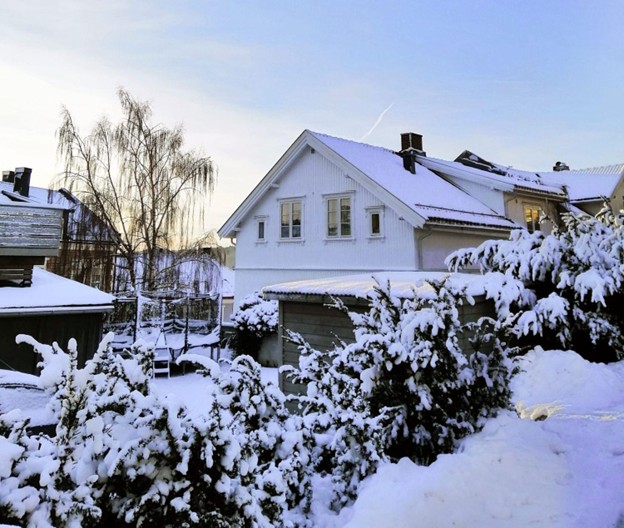
When temperatures plunge below freezing, home maintenance becomes more than a seasonal chore; it becomes essential protection for your property. Frigid weather across Columbus and surrounding Ohio communities can quietly damage roofs, plumbing systems, foundations, and HVAC units long before visible problems appear. Taking proactive steps now can prevent expensive repairs and ensure your home remains safe, efficient, and comfortable throughout the winter months.
Cold weather does not simply test comfort levels; it tests structural resilience. Snow accumulation, ice formation, and fluctuating freeze-thaw cycles can weaken materials and expose hidden vulnerabilities. A comprehensive winter plan focused on home maintenance helps reduce risk while extending the life of key systems.
Why Winter Demands a Different Approach to Home Maintenance
Unlike mild seasons, winter introduces environmental stressors that require specific preventative attention. Ice dams, frozen pipes, and overworked heating systems are common issues that arise when preparation is incomplete.
Key winter-related risks include:
- Expansion of frozen water inside pipes, leading to cracks or bursts
- Ice buildup along the roof edges is causing shingle damage and leaks
- Increased strain on furnaces and heat pumps
- Drafts that reduce energy efficiency and raise utility costs
- Snow accumulation that adds structural weight to roofing systems
According to the U.S. Department of Energy, heat loss through poorly sealed windows and insulation gaps can significantly increase heating expenses during extreme cold. Addressing these vulnerabilities early strengthens overall home performance.
Protecting Plumbing Systems from Freezing
Frozen pipes are among the most expensive winter emergencies homeowners face. Water expands as it freezes, putting pressure on the pipe walls and increasing the risk of rupture. Even a small crack can release hundreds of gallons of water in a short period.
Effective home maintenance strategies for plumbing include:
- Insulating exposed pipes in basements, garages, and crawl spaces
- Keeping cabinet doors open under sinks during severe cold
- Allowing faucets to drip slightly during extreme temperature drops
- Sealing foundation cracks where cold air enters
These small preventive measures can significantly reduce the likelihood of costly water-damage repairs.
Roof and Gutter Awareness During Snowfall
Winter roof damage often begins quietly. Snow accumulation can trap heat beneath shingles, causing meltwater to refreeze at roof edges and form ice dams. This blockage prevents proper drainage and may force water beneath shingles.
Smart seasonal home maintenance steps include:
- Inspecting attic insulation to maintain a consistent roof temperature
- Ensuring proper attic ventilation to reduce heat buildup
- Removing excessive snow accumulation when safe to do so
- Checking flashing around chimneys and vents for secure seals
While gutters are not fully maintenance-free in winter, ensuring they are clear before the first major freeze reduces ice formation risk.
Heating System Performance and Efficiency
Heating systems work hardest during prolonged cold snaps. Furnaces, boilers, and heat pumps require consistent airflow and clean filters to function efficiently.
Preventative home maintenance tasks for heating systems include:
- Replacing or cleaning HVAC filters regularly
- Scheduling professional inspections before peak winter demand
- Checking thermostat accuracy and programming efficiency
- Ensuring vents and returns are unobstructed
Routine system checks help reduce emergency breakdowns during the coldest days of the year.
Windows, Doors, and Draft Control
Drafts can significantly undermine indoor comfort and increase heating bills. Cold air infiltration is often subtle but persistent.
To improve winter home maintenance outcomes:
- Install weatherstripping around doors and windows
- Apply caulk to visible gaps or cracks
- Use thermal curtains to reduce heat transfer
- Inspect door sweeps for proper sealing
Sealing these areas improves comfort and reduces strain on heating systems.
Exterior Surfaces and Structural Protection
Freezing and thawing cycles cause materials to expand and contract repeatedly. Over time, this stress can lead to cracks in concrete driveways, foundations, and siding.
Important exterior home maintenance considerations include:
- Filling small foundation cracks before water infiltration occurs
- Monitoring siding for loose or warped panels
- Ensuring downspouts direct water away from the foundation
- Clearing walkways promptly to prevent ice buildup and surface damage
Ice accumulation near entryways can also create safety hazards, increasing the risk of slips and falls.
Garage and Vehicle Storage Considerations
Garages are often overlooked during winter preparation. Cold air infiltration in attached garages can affect adjacent living spaces and strain insulation barriers.
Winter maintenance tasks for garages may include:
- Inspecting garage door seals
- Checking automatic door sensors for proper function
- Ensuring stored chemicals and liquids are protected from freezing
- Verifying proper ventilation if space heaters are used
These measures help maintain both safety and energy efficiency.
Energy Efficiency and Long-Term Cost Savings
Winter preparation is not solely about preventing damage; it also enhances overall energy efficiency. A well-maintained home retains heat more effectively, lowering monthly utility expenses.
The Environmental Protection Agency emphasizes the importance of insulation, sealing air leaks, and maintaining heating equipment to reduce winter energy consumption. Approaching home maintenance systematically often leads to measurable improvements in efficiency and comfort for homeowners.
Why Preventive Planning Matters Most in Frigid Conditions
Emergency repairs during freezing temperatures are often more complex and expensive. Contractors face weather-related delays, and temporary fixes may not address root causes.
A proactive approach to home maintenance delivers several advantages:
- Reduced the likelihood of emergency plumbing repairs
- Lower risk of roof leaks or structural water damage
- Improved indoor air quality and heating efficiency
- Greater peace of mind during severe weather alerts
Preparing before problems arise is far more cost-effective than responding after damage occurs.
Building a Winter Maintenance Routine
Consistency is key. Rather than viewing seasonal tasks as one-time projects, homeowners benefit from creating a recurring checklist tailored to winter conditions.
A structured winter home maintenance routine might include:
- Monthly pipe and insulation checks
- Bi-weekly HVAC filter inspections
- Post-storm roof and exterior walkarounds
- Regular thermostat monitoring
Staying ahead of small issues prevents them from escalating into major repairs.
Final Thoughts
Frigid winter weather places extraordinary stress on residential systems, but preparation significantly reduces risk. From protecting plumbing and roofing to improving insulation and heating efficiency, thoughtful home maintenance ensures long-term durability and comfort.
By focusing on preventative measures and consistent inspections, homeowners in Columbus and surrounding communities can navigate winter with confidence. Cold temperatures may be unavoidable, but costly damage is often avoidable.