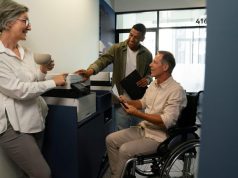
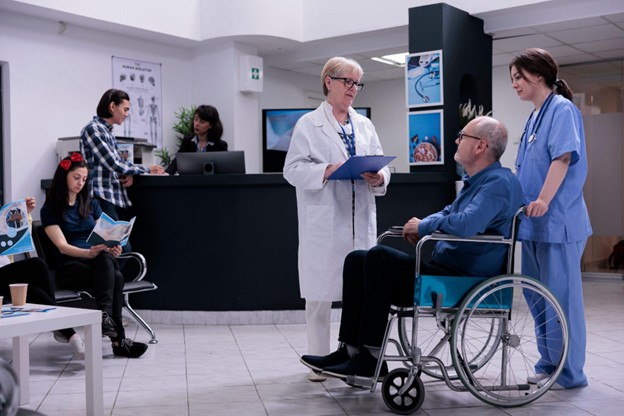
Access to timely medical care has become one of the most important factors shaping patient decisions across the United States. In Delaware, residents are increasingly relying on urgent care facilities to bridge the gap between primary physicians and hospital emergency departments. This shift reflects changing expectations around convenience, availability, and the ability to receive prompt treatment for non-life-threatening conditions without long wait times.
As healthcare systems adapt to population growth and evolving patient needs, community-based medical centers are playing a larger role in delivering efficient, accessible services. For many individuals and families, these facilities now serve as a first point of contact when unexpected health concerns arise.
Why Walk-In Medical Services Are Becoming Essential
Modern lifestyles leave little room for delayed care. Minor injuries, sudden illnesses, and time-sensitive concerns rarely align with scheduled appointments. Walk-in medical centers address this challenge by offering extended hours and same-day access, allowing patients to seek treatment when it is most needed.
These facilities are designed to handle a wide range of common medical issues, including infections, minor fractures, sprains, cuts, and seasonal illnesses. By treating these conditions promptly, patients often avoid complications that could arise from delayed care.
In Delaware, growing awareness around flexible medical access has contributed to increased utilization of community-based treatment centers that focus on efficiency without sacrificing clinical quality.
The Role of RapidCare in Today’s Healthcare System
Within the broader healthcare landscape, urgent care serves a distinct and increasingly important function. It alleviates pressure on emergency departments by managing cases that do not require hospital-level intervention and also supports primary care providers by handling after-hours needs.
According to the Centers for Disease Control and Prevention, emergency departments frequently see patients with non-emergency conditions that could be treated in alternative settings. Redirecting these cases helps improve system efficiency and ensures emergency resources remain available for critical situations.
This model benefits patients by reducing wait times and healthcare costs while maintaining appropriate levels of care.
How Urgent Care Supports Faster, More Accessible Treatment
One of the defining advantages of urgent care facilities is their ability to deliver timely medical evaluation without extensive administrative barriers. Patients typically do not need referrals, and many centers accept a wide range of insurance plans along with self-pay options.
This accessibility is particularly valuable for families, working professionals, and older adults who may face challenges scheduling traditional appointments. In situations involving minor injuries or sudden illness, same-day access can make a meaningful difference in comfort and recovery.
By offering diagnostic services such as X-rays, lab testing, and basic procedures on-site, urgent care centers streamline the patient experience and reduce the need for multiple visits to different providers.
Community Health and Preventive Impact
Beyond immediate treatment, walk-in medical centers contribute to broader community health outcomes. Early intervention helps prevent minor conditions from escalating into more serious problems. This approach supports better long-term health while reducing overall strain on hospitals and specialty clinics.
Seasonal surges in flu, respiratory infections, and other communicable illnesses also highlight the value of accessible care. Prompt evaluation and treatment help limit the spread and support faster recovery, particularly during peak illness periods.
In Delaware communities, the presence of reliable medical access points enhances public confidence in local healthcare infrastructure.
Convenience Without Compromising Quality
Convenience alone does not define effective healthcare. Patients also expect professional standards, qualified providers, and consistent care protocols. Licensed medical professionals, trained to assess and manage a wide range of conditions efficiently, staff modern urgent care facilities.
Clinical guidelines and standardized procedures ensure patients receive appropriate treatment and follow-up recommendations. Providers make sure that the healthcare system stays connected by coordinating referrals to specialists or emergency rooms when needed.
This balance between speed and quality has made urgent care a trusted option for many residents seeking dependable medical attention outside traditional office hours.
Addressing the Needs of a Growing Population
We anticipate a rise in demand for flexible healthcare solutions as Delaware’s growth and diversification continue. Population shifts, workplace changes, and evolving family structures all influence how and when people seek medical care.
Walk-in treatment centers help meet these needs by adapting hours, expanding services, and maintaining multiple locations to improve geographic access. This localized approach ensures care remains available where people live and work.
People increasingly view healthcare models that prioritize accessibility and responsiveness as essential components of sustainable community health planning.
Supporting Healthcare System Efficiency
From a system-wide perspective, directing appropriate cases to urgent care settings improves efficiency and resource allocation. Emergency departments are better able to focus on critical cases, while primary care providers can maintain continuity for long-term health management.
This distribution of care aligns with recommendations from public health organizations that emphasize using the right care setting for the level of need. The result is a more balanced healthcare ecosystem that benefits both patients and providers.
Looking Ahead at Community-Based Medical Care
The role of urgent care in Delaware is likely to continue expanding as healthcare delivery evolves. Advances in diagnostics, telehealth integration, and patient education are expected to further enhance the capabilities of walk-in medical centers.
For residents, this means greater confidence that timely, professional care is available when unexpected health concerns arise. For communities, it represents a practical solution that supports public health, system efficiency, and patient satisfaction.
As expectations around accessibility and convenience continue to shape healthcare choices, community-focused medical facilities remain a vital part of meeting everyday health needs across the state.